
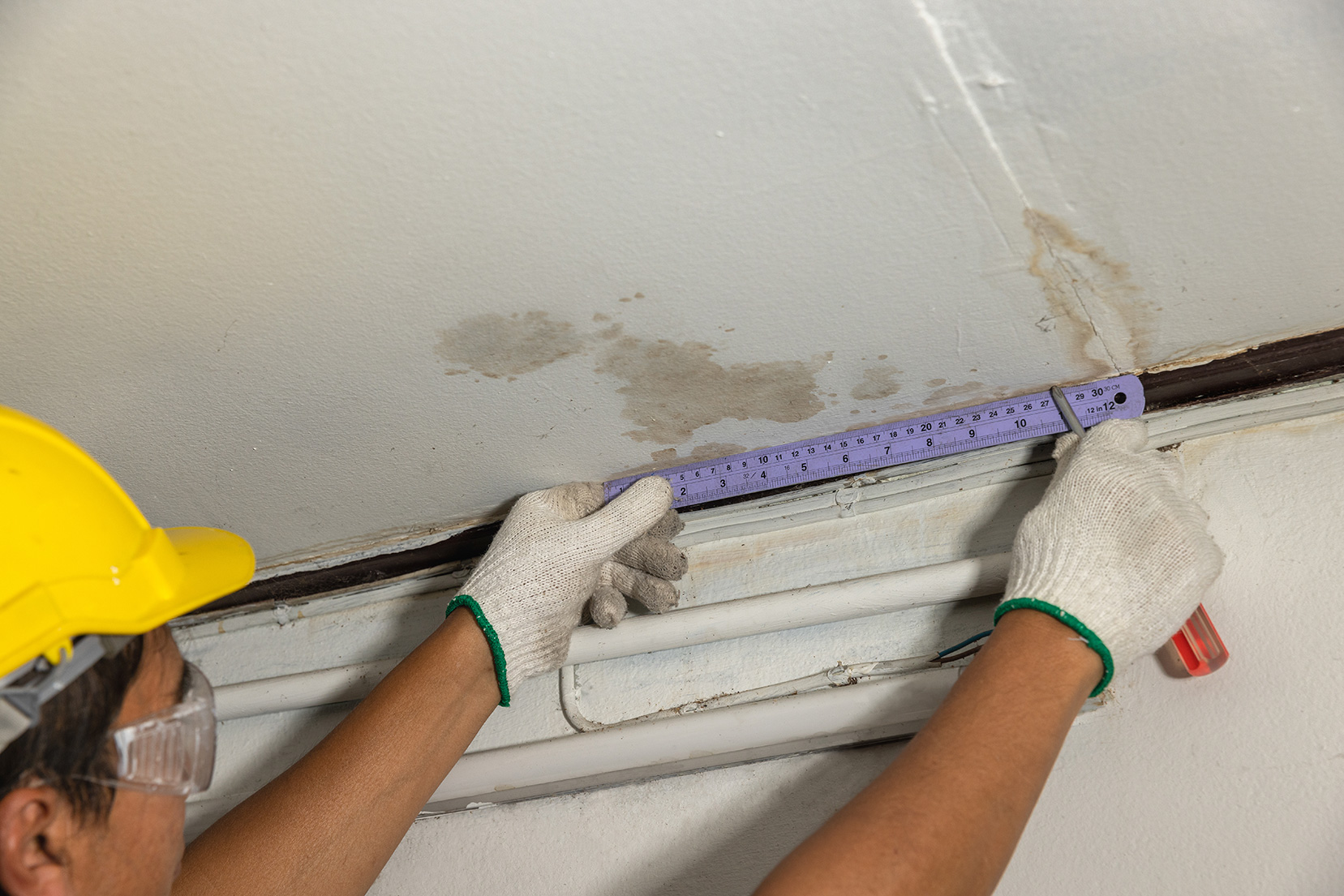
Water doesn’t announce itself. It seeps through an unsealed roof deck, pools in a sub-basement, or trickles down seventeen floors of finished drywall over a long weekend—and by the time anyone notices, the damage is done.
For construction developers and owners managing large-scale projects, water intrusion is one of the most persistent and costly risks you’ll face. It’s important to be ready when it does.
Water Damage Hits Hard
A single disconnected roof drain during heavy rain can flood a sub-basement and destroy a newly installed electrical transformer. A broken supply line in a building under renovation can go unnoticed from Friday afternoon to Monday morning, soaking every floor below it.
Water-related claims are among the top drivers of commercial property loss in the construction industry—and a significant portion of them were preventable.
The financial exposure goes beyond the immediate repair bill. You’re looking at schedule delays, subcontractor disputes, potential liability, and the ripple effects on your insurance premiums for years to come.
Know Where Your Risk Lives
Water enters large buildings through three main channels:
The building envelope — roof, walls, and floor assemblies are your first line of defense. Any gap, unsealed penetration, or improper slope is an invitation.
Interior systems — domestic water lines, HVAC systems, hot water heaters, fire suppression, and building equipment all carry water through your structure. During active construction, these systems are especially vulnerable to accidental damage or improper installation.
Exterior exposures — grading, drainage, gutters, and downspouts that aren’t properly managed push surface water toward your foundation and building perimeter.
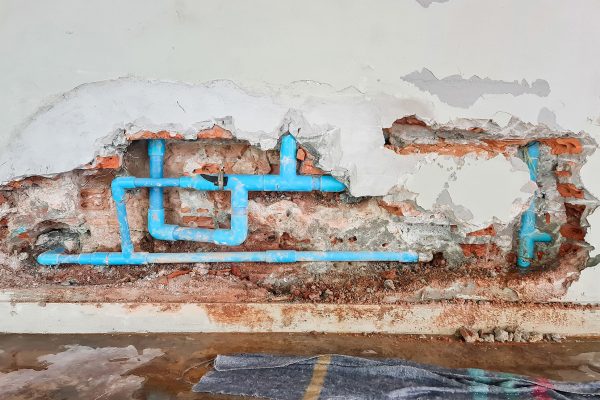
Build a Water Damage Prevention Plan
The most effective projects treat water risk the same way they treat safety: proactively, systematically, and with accountability at every level.
A solid Water Damage Prevention Plan (WDPP) starts with daily site walkthroughs focused specifically on water exposure. Roof drains should be clear of debris. Unfinished openings need to be protected at the end of every workday. Penetrations and sleeves should be sealed as each trade completes its work. Temporary water sources—think construction hoses, standpipes, test fills—need to be controlled and monitored.
Equally important is the inspection-charge-observe-drain protocol for any water-bearing system before it’s handed off to the next phase. Don’t assume the last crew left things right.
Technology Is Your Early Warning System
Water sensors have become one of the most cost-effective tools on large jobsites. Placed at high-risk areas—mechanical rooms, below-grade spaces, areas with active plumbing rough-ins—they alert your team the moment moisture appears. The difference between catching a leak in twenty minutes versus discovering it on Monday morning can easily mean hundreds of thousands of dollars.
Backflow preventers on sewer connections are another low-cost, high-value layer of protection that’s often overlooked until it’s too late.
In conclusion: Stronger building practices, smarter technology, and a culture of water awareness are the best investments you can make on any large project. Water damage is common—but it is preventable.