In Part 1, we talked about the water that threatens your project from the outside in — rain, leaks, and undetected damage that can derail a construction schedule and cost millions.
Now there’s a second water story that every developer and large project owner needs to understand.
Data Centers Are Drinking The Grid Dry
The numbers are staggering. U.S. data centers directly consumed 17.4 billion gallons of water in 2023 — roughly equivalent to the annual usage of 160,000 American households. By 2028, that figure is projected to climb to between 38 and 73 billion gallons annually. In Texas alone, data centers are expected to use 399 billion gallons of water by 2030 — enough to draw down Lake Mead, the nation’s largest reservoir, by more than 16 feet in a single year.
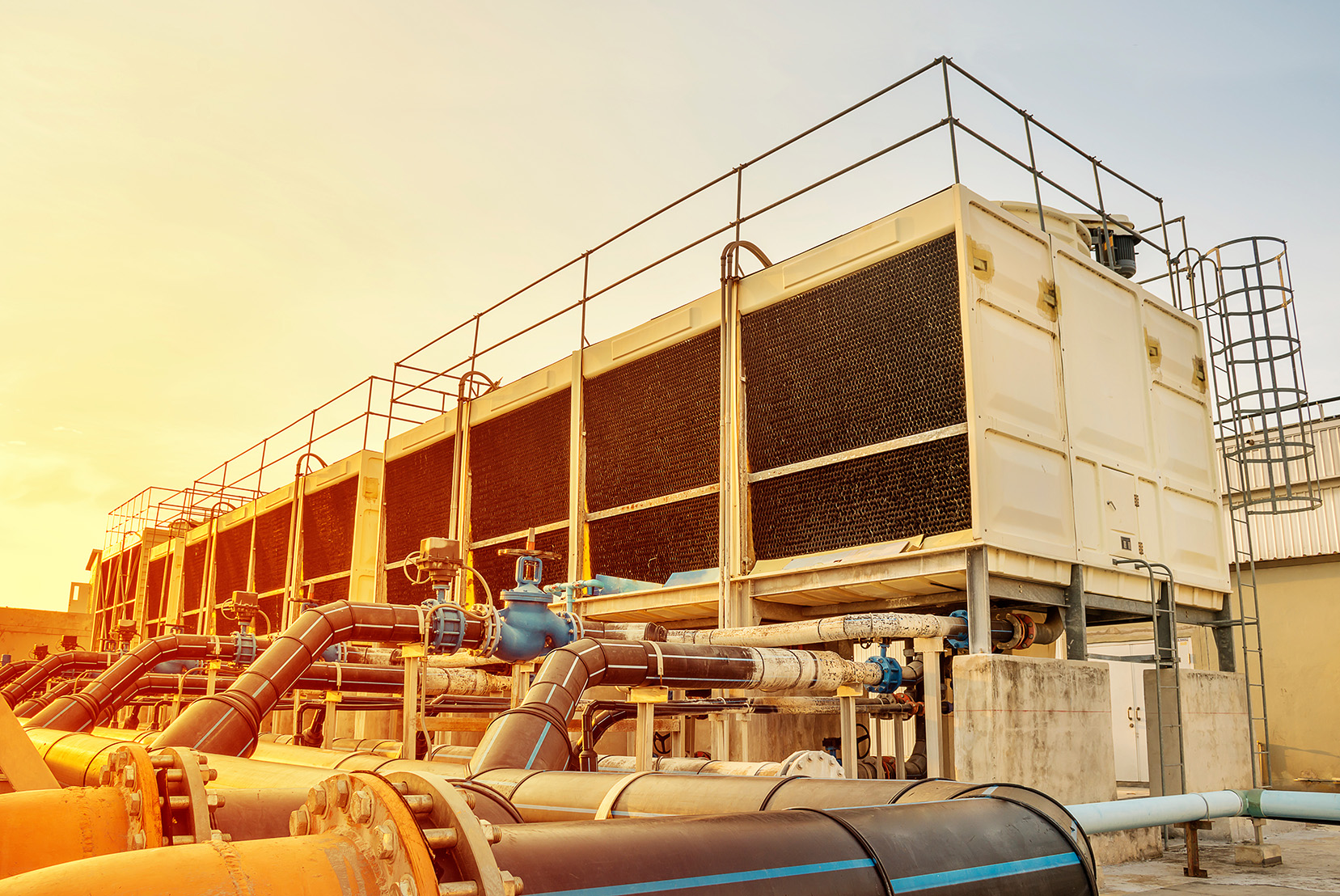
The reason is cooling. Server stacks generate enormous heat around the clock, and most facilities rely on evaporative cooling systems where water absorbs heat — and then simply disappears as vapor. About 80% of the water drawn by data centers is consumed this way, never returning to the local supply.
The AI boom has made this significantly worse. As AI workloads push data centers to operate at higher densities and longer hours, facilities that were once modest water consumers have become industrial-scale users, competing directly with municipalities, agriculture, and residential development for the same shrinking resource.
Cities Are Starting To Say No — And Not Just To Data Centers
The political response has been swift. As of today, at least 12 states have filed data center moratorium bills, with Maine passing the first statewide ban on facilities over 20 megawatts. Denver recently voted unanimously to impose a one-year moratorium on new data center permits. Across the country, 69 districts now have active moratoriums in place, and over $60 billion in data center projects have been blocked or delayed in just over a year.

But here’s what hits closer to home for multifamily and large-scale residential developers: it’s not just data centers getting frozen out.
In Arizona, the strain on groundwater from explosive growth triggered a moratorium on new water supply permits — putting nearly half a million planned homes on hold. In California, water-related building moratoriums have measurably constrained housing supply, with impacts that compound over time. In Bloomingdale, Georgia, the city council paused both industrial and multifamily zoning applications outright, citing limited water and sewer infrastructure north of the interstate.
The message from municipalities is becoming consistent: if the water isn’t there, the permits aren’t coming — regardless of project type.
Renewable Energy Is Part of the Answer
One important piece of context for developers evaluating markets: where data centers are shifting to renewable energy, the indirect water burden decreases. Traditional power generation — coal, natural gas, nuclear — all use water in steam-based generation. Data centers powered by solar and wind sidestep that indirect consumption almost entirely.
The industry is also moving toward liquid cooling — circulating coolants directly over processors rather than relying on evaporative tower systems — which dramatically reduce water use per kilowatt of computing power. Adoption of these systems surged 28% year-over-year, and the push is accelerating as both regulation and investor pressure mount.
This matters for developers because markets that successfully transition to renewable-powered, liquid-cooled data center infrastructure may face less long-term water stress — and therefore fewer permitting constraints on adjacent development. Markets that don’t make that transition may see increasing regulatory friction across all development categories.
Water Is A Development Strategy
The relationship between data center buildout and development opportunity is becoming one of the most important site-selection variables a developer can track.
Water availability and local regulatory climate deserve as much weight as land cost and connectivity when evaluating new markets. In water-stressed regions, every gallon consumed by a hyperscale facility is a gallon that won’t support a permit for multifamily housing. And in communities already stretched thin, local governments are not distinguishing between industry types when they pause development — they’re pausing everything.